The amount of steel used in the frame, cylinder, and hopper is a major cost driver. Low-price manufacturers often replace 10mm steel plates shown on the drawings with 8mm, or even use non-standard inferior steel instead of national-standard Q235/Q345. The machine may look the same when newly delivered, but once put under load, it vibrates heavily, deforms easily, and welds crack—halving its service life.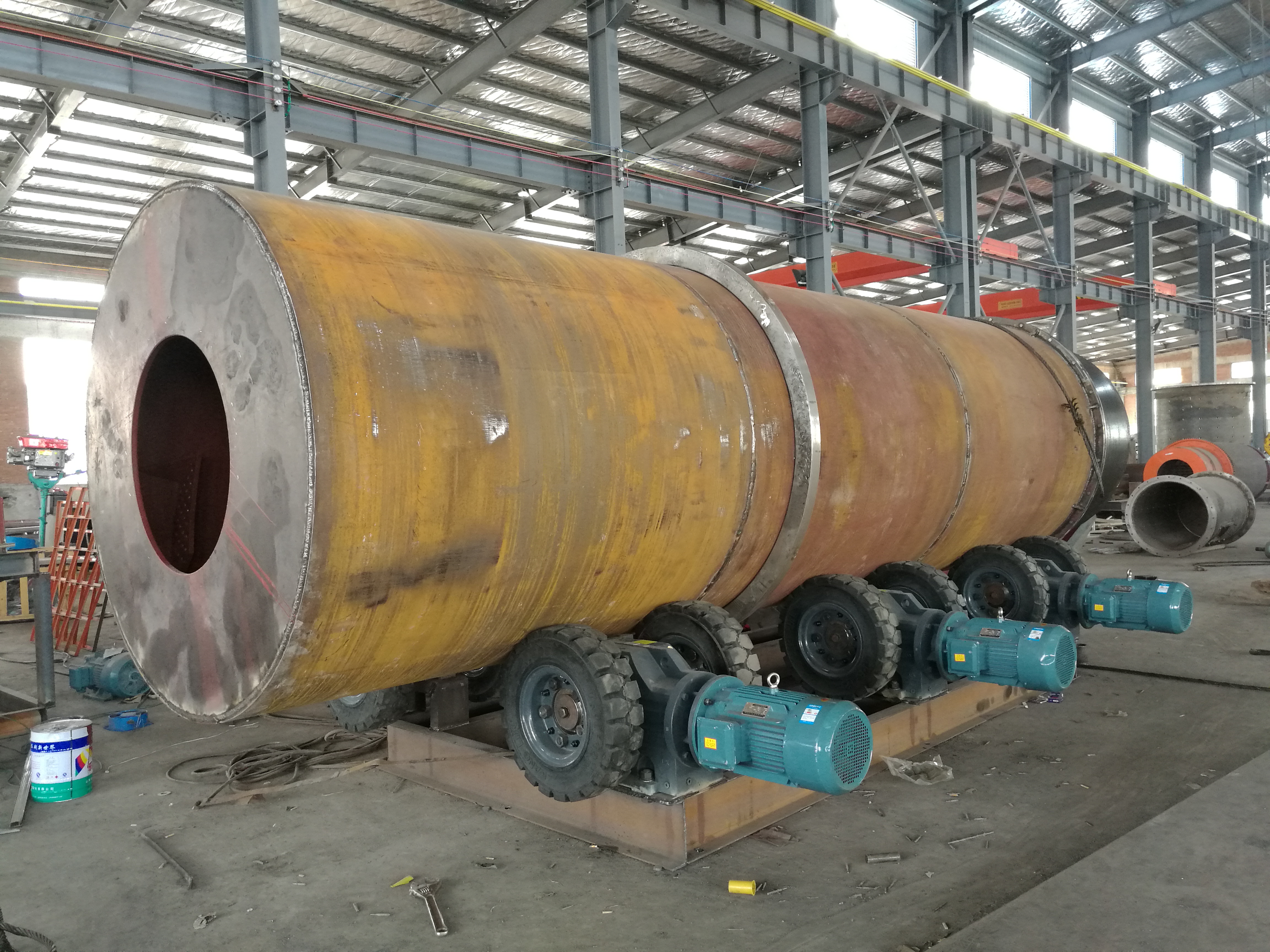
Components that directly contact the slurry—such as flotation cell impellers and diffusers, ball mill liners, and slurry pump wetted parts—are the easiest to downgrade. Reputable manufacturers use high-chrome alloys or wear-resistant rubber; low-price manufacturers use ordinary cast iron or even recycled scrap steel. The result: parts that others use for six months wear through in three, and the cost of downtime and replacement far exceeds the equipment cost you initially saved.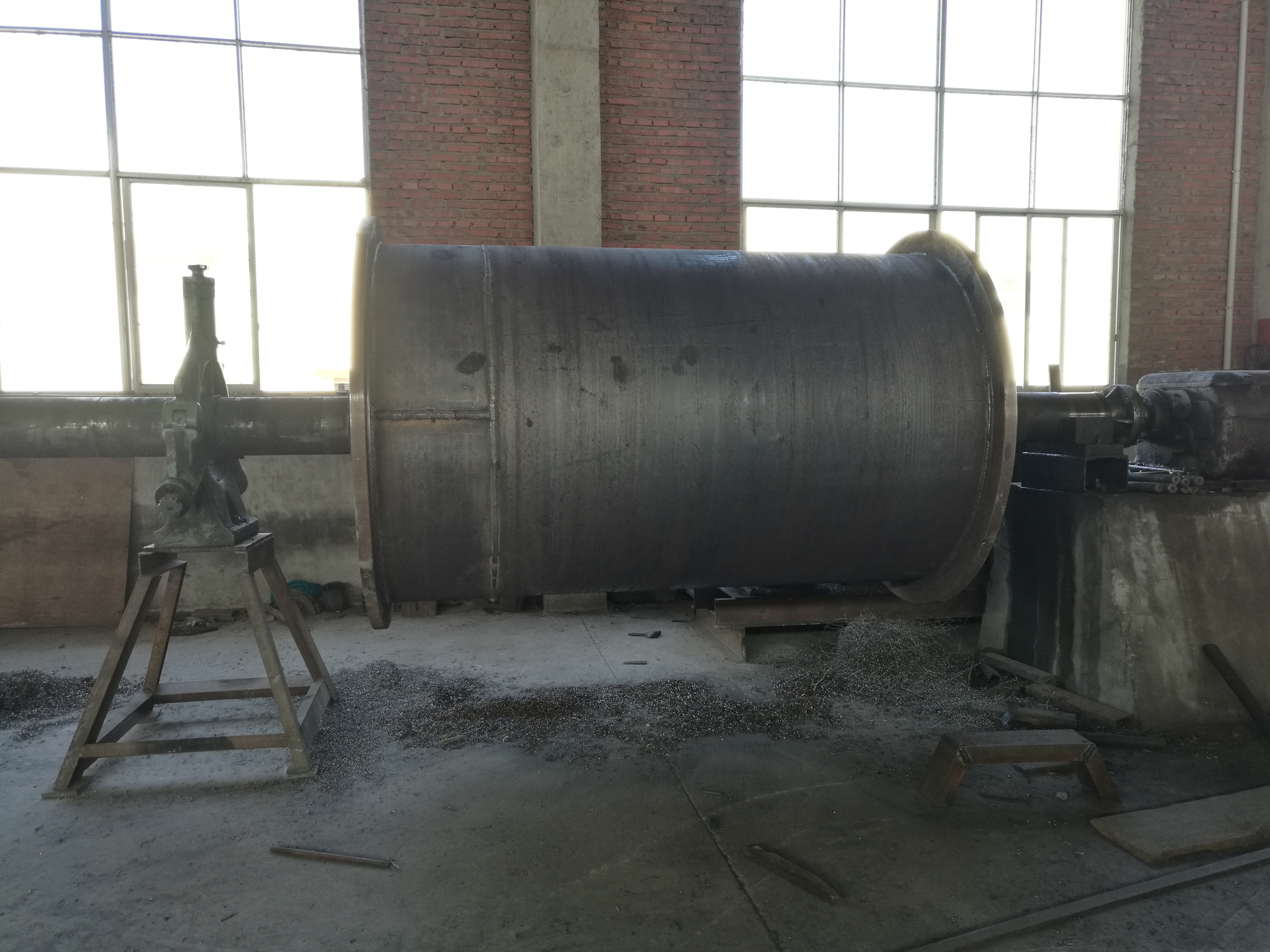
Motors, reducers, and bearings are the heart of the equipment. Low-price equipment often uses off-brand motors—low efficiency, prone to burning out; reducers with insufficient gear precision—noisy and prone to oil leaks; bearings not from top-tier domestic brands like HRB, ZWZ, or LYC—using inferior bearings that can seize up and paralyze the entire production line. Saving a few hundred dollars on a motor can cost you tens of thousands in production losses.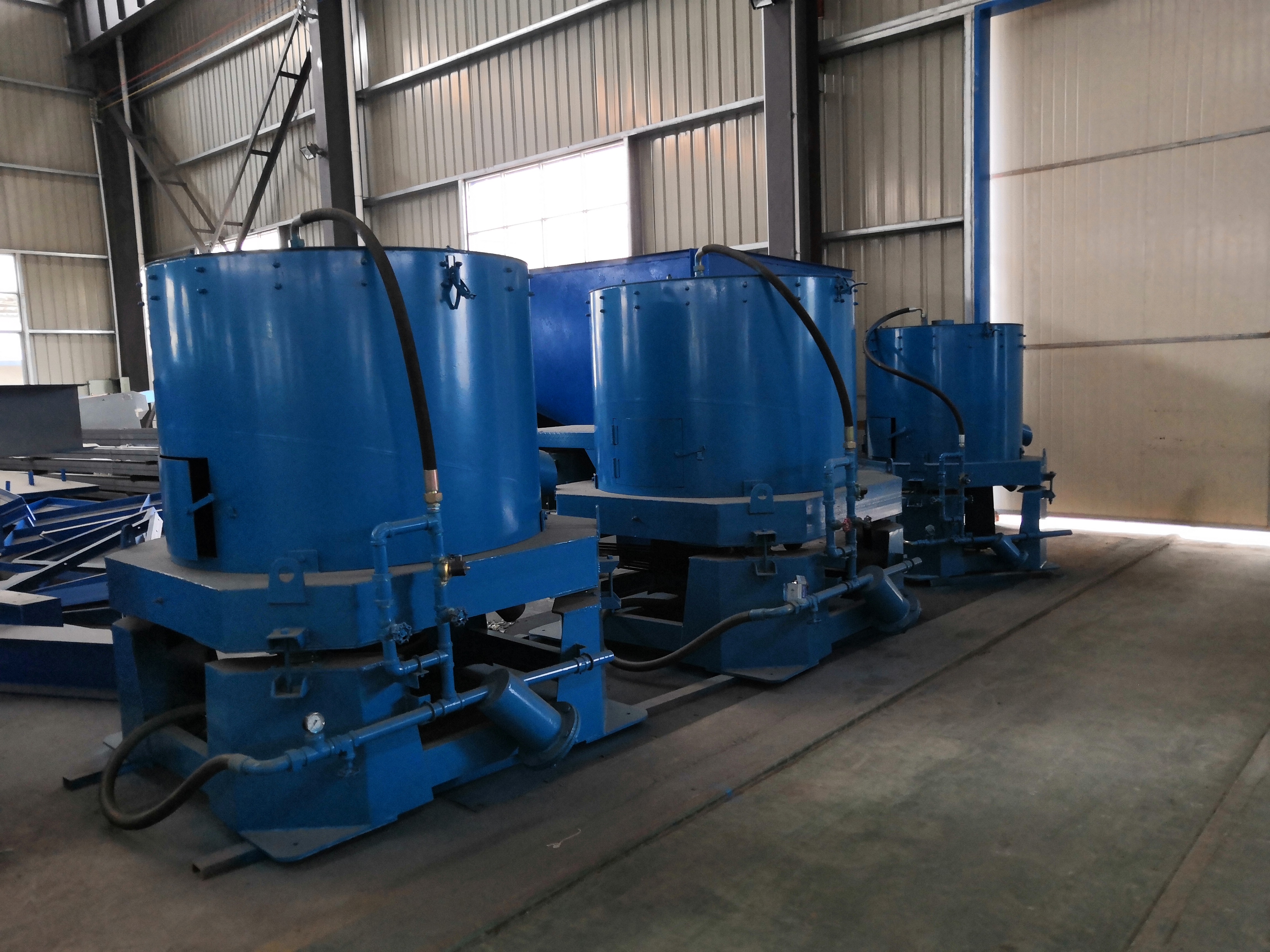
Many low-price manufacturers are essentially "assembly plants." For example, crusher frames should undergo overall annealing to relieve internal stress—they skip it to save electricity and time. Holes that should be machined with CNC cutting and large boring machines are instead marked and drilled manually. These process shortcuts are invisible to the eye, but they result in poor equipment precision, insufficient concentricity, and extremely rapid wear during operation.
Advice for Buyers:
Don't look only at the "total price"—look at the "total cost of ownership." When buying equipment, visit the factory in person and focus on the steel cutting workshop and machining workshop. Require the contract to explicitly specify the brands of core components (motors, bearings, reducers), the material and thickness of steel plates, and the materials of wear parts. Don't save 10% on the purchase price only to bring home a "power-hungry tiger" that breaks down every other day.
