The plant processes clay-type alluvial gold in Côte d'Ivoire.
Original Design Flow:
RT2011 Rotary Trommel Scrubber → Double Spiral Washer → Belt Conveyor → Sluice Box → 6-S Shaking Table → Settling Pond.
Current Site Condition:
The double-spiral washer has not yet been installed. The ore is processed through the Trommel Scrubber and goes directly to the gravity separation stage. The client reports that the current production is running smoothly and results are acceptable.
In the original design, the double spiral washer acts as the secondary scrubbing and desliming equipment. It performs three critical functions:
Further Clay Detachment: Provides a secondary scrubbing action to remove residual clay from the surface of gold-bearing particles.
Reducing "Clay-Coat" Risk: Prevents gold particles from being encapsulated by sticky clay, ensuring they are exposed for separation.
Protecting Gravity Equipment: Disperses high-clay slurry that could interfere with the shaking table and sluice boxes, minimizing gold loss.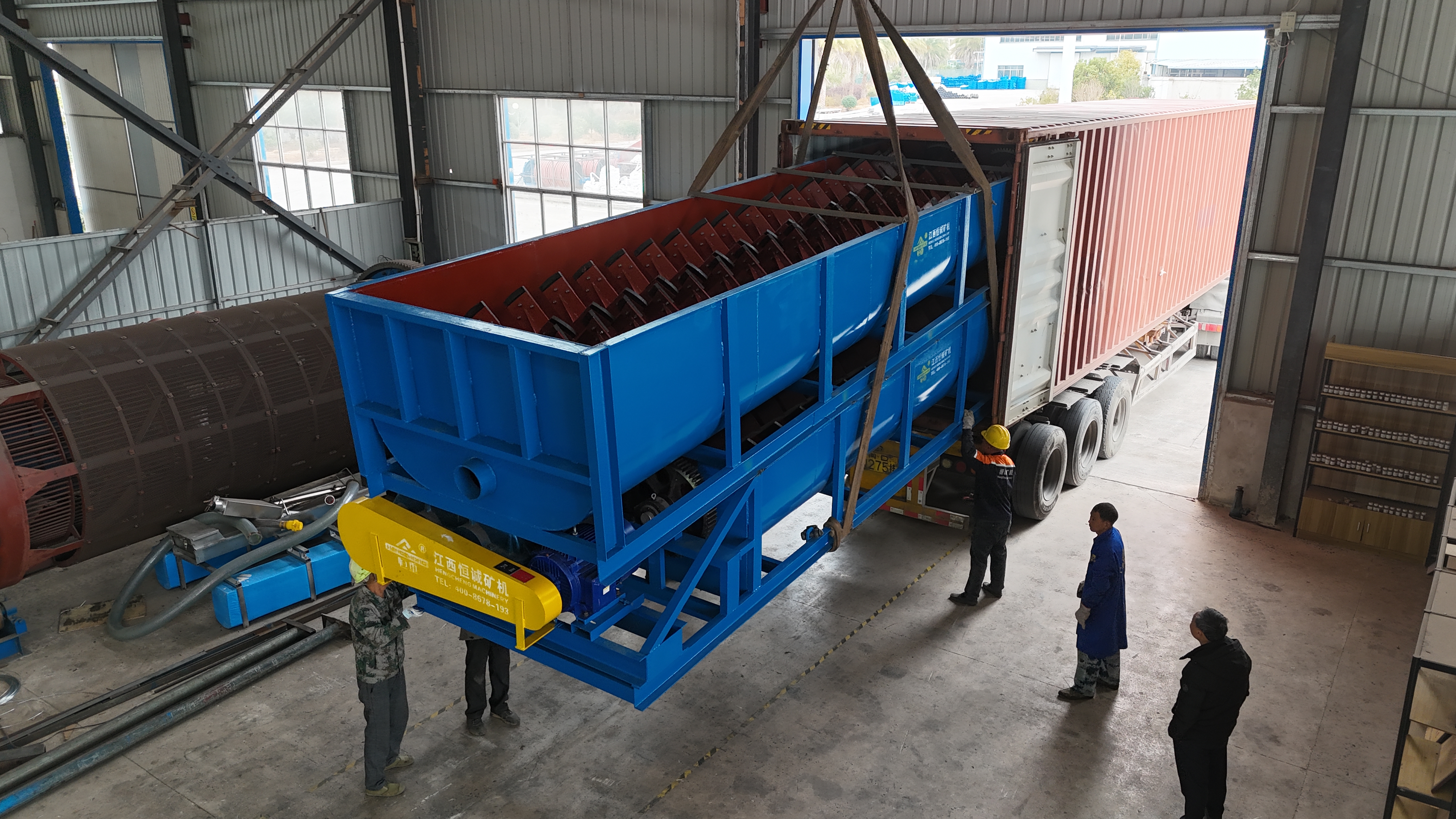
✅ Advantages (When clay content is low):
The Trommel Scrubber independently handles the main washing task, meeting current ore requirements.
Bypassing the double spiral reduces power consumption and O&M costs.
Simplified flow sheet means lower maintenance and easier operation.
⚠️ Risks (When ore conditions change):
This operation essentially omits the secondary desliming stage.
If the raw ore clay content increases or during the West African rainy season, clay tends to encapsulate gold particles.
Gold recovery rate may drop silently, and this hidden loss is hard to detect in daily operations.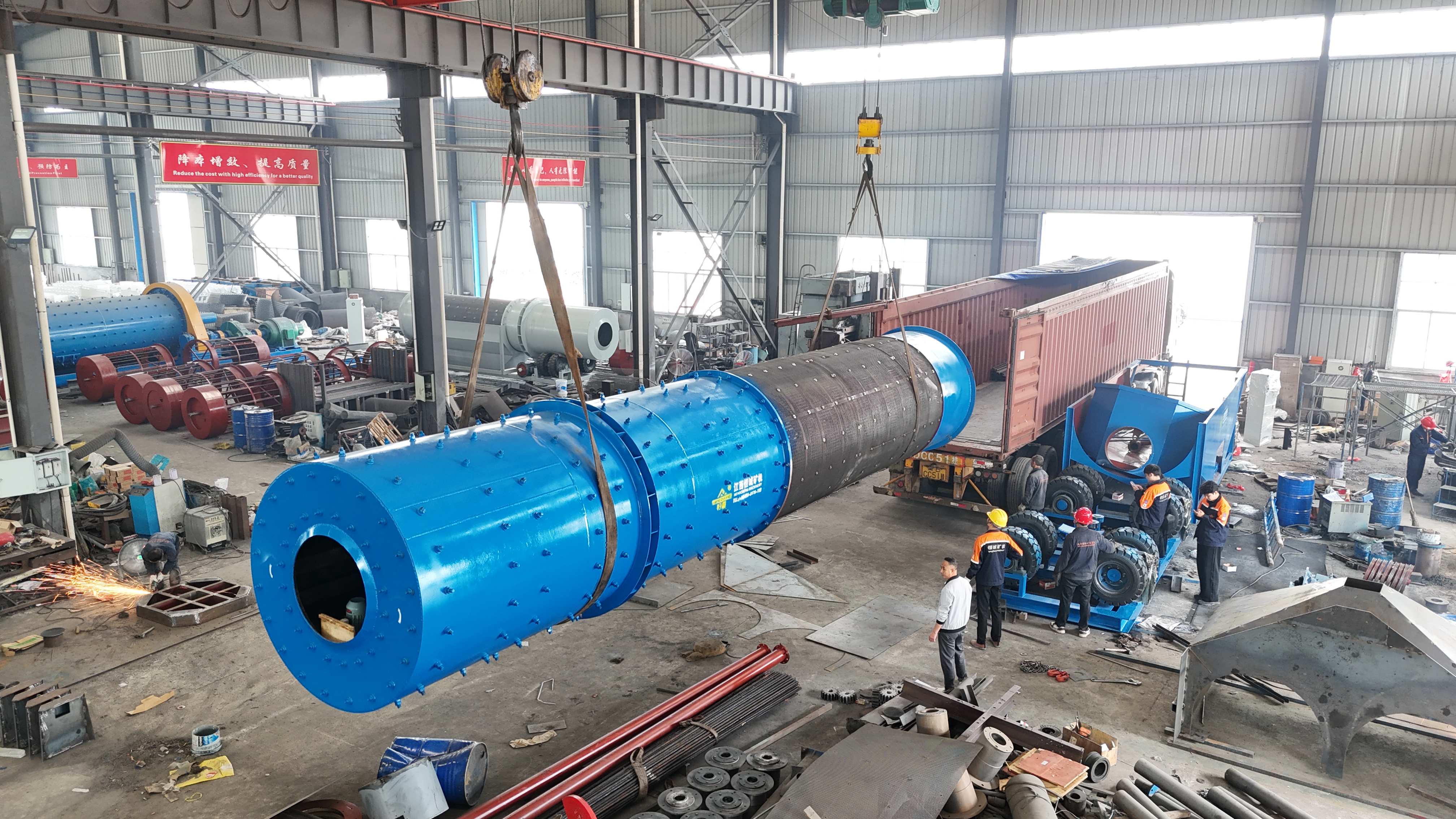
Maintain optimal spray water pressure on the rotary trommel scrubber and control the feed rate.
Strengthen inspection and cleaning of the sluice boxes, shaking tables, and settling ponds.
Crucial: Pay close attention to the timing of sluice box clean-ups, as this directly impacts gold retention.
Do not demolish or occupy the existing concrete foundation for the double spiral washer.
Preserve this space to enable quick installation later, avoiding secondary civil engineering costs.
Action Plan: Before the rainy season (or when clay content spikes), install and activate the double-spiral washer.
Benefit: Restore the complete "Trommel Scrubber + Double Spiral Washer" two-stage washing flow to stabilize gold recovery and prevent hidden gold loss from clay coating.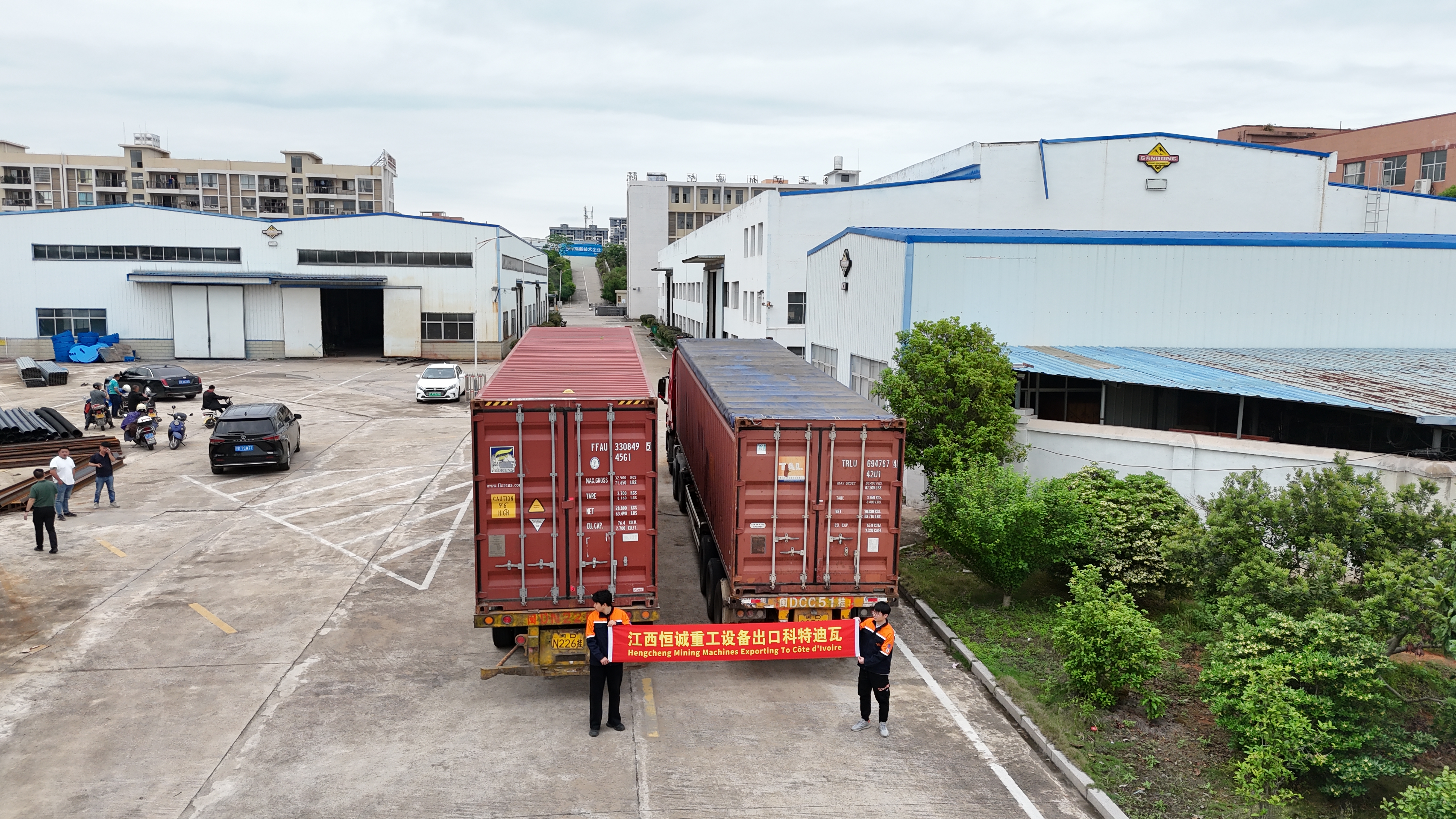
Processing clay-heavy alluvial gold ore?
Don't let hidden gold loss eat your profits. Send us your ore conditions (clay content, feed size, capacity), and our engineers will design the optimal washing flow for you.

